What can waning efficacy look or sound like?

Over time, repeated exposure to neurotoxins with complexing proteins can contribute to a decrease in treatment response.

0_0_home_icon_1
Decreased Satisfaction1
Patients say the drug doesn't work as well as it used to
0_0_home_icon_2
Increased Dosing1
Patients appear to require an increased dose in order to maintain efficacy or regain lost efficacy
0_0_home_icon_3
Higher Frequency1
Patients are requesting shorter dosing intervals because they are experiencing decreased response
0_0_home_icon_4
Loss of Patients
Patients feel less motivated to come back for reinjection or are lost to follow-up

Waning Efficacy and Neutralizing Antibodies

The FDA has issued guidance for the industry to conduct immunogenicity* evaluations of their products to appropriately assess the risk of NAb2:

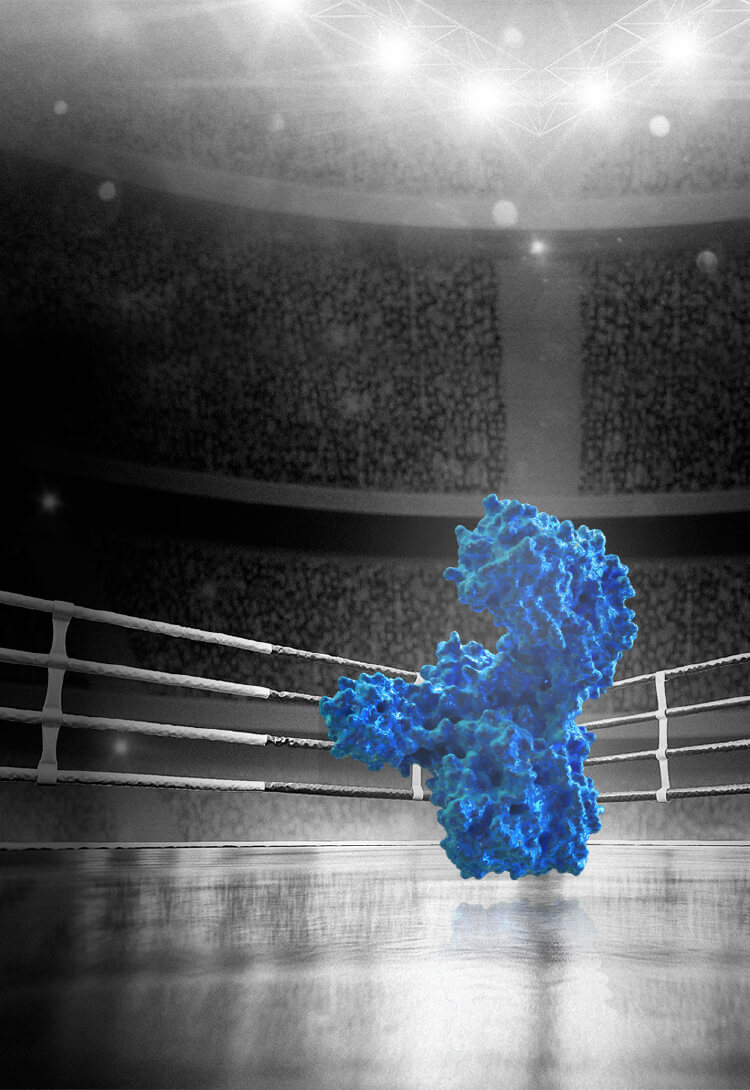
A pair of boxing gloves, wraps, and a mouthguard. These are meant to symbolize the complexing proteins found in XEOMIN

Development of antibodies can limit product efficacy in patients treated with therapeutic protein products. NAb can block the efficacy of therapeutic protein products by specifically targeting domains critical for efficacy.”2

- FDA Guidance on Immunogenicity Assessment for Therapeutic Protein Products

Signs of Waning Efficacy with Chronic, Long-term Exposure to Complexing Proteins in Neurotoxin Formulations

NAb formation does not occur in all patients, but because of its increasing likelihood with long-term neurotoxin use, it should be considered when starting or adjusting therapy.1

COMPLEXING PROTEINS MAY CONTRIBUTE TO NAb FORMATION

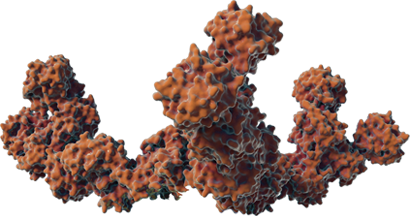
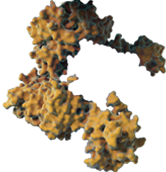
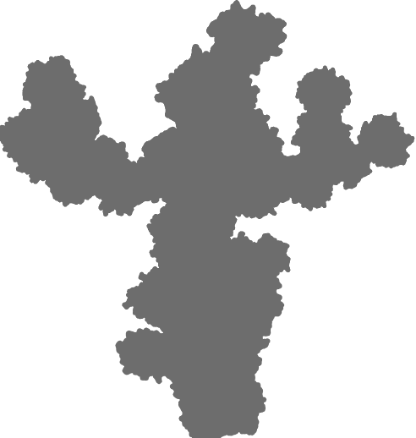
Up to 83% of the total protein mass in neurotoxin formulations containing complexing proteins has no therapeutic activity and may potentially increase the risk of waning efficacy over time.1,3-5
An illustration of complexing proteins: hemagglutinin, non-toxin, non-hemagglutinin, and core neurotoxin

The FDA defines immunogenicity as “the propensity of a therapeutic protein product to generate immune responses to itself and to related proteins or to induce immunologically related adverse clinical events.”2

The direct impact of the non-therapeutic proteins on long-term safety or efficacy continues to be evaluated. Information about the unique XEOMIN manufacturing process and the properties of incobotulinumtoxinA is not intended to imply superiority over other botulinum toxin type A products.

Neutralization is possible with all neurotoxins with or without complexing proteins.

FDA, US Food and Drug Administration; NAb, neutralizing antibodies.
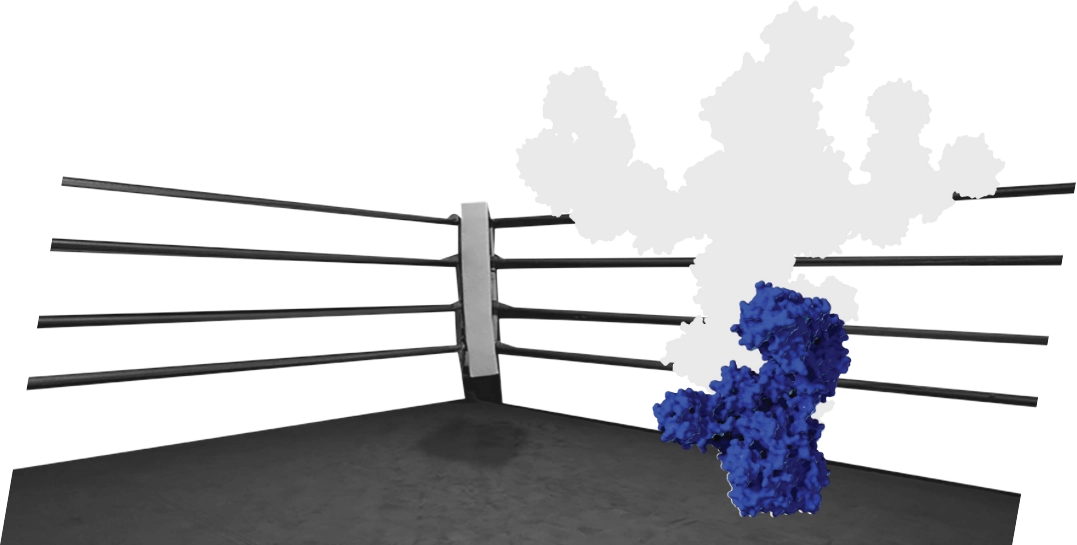
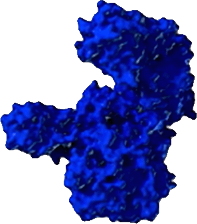
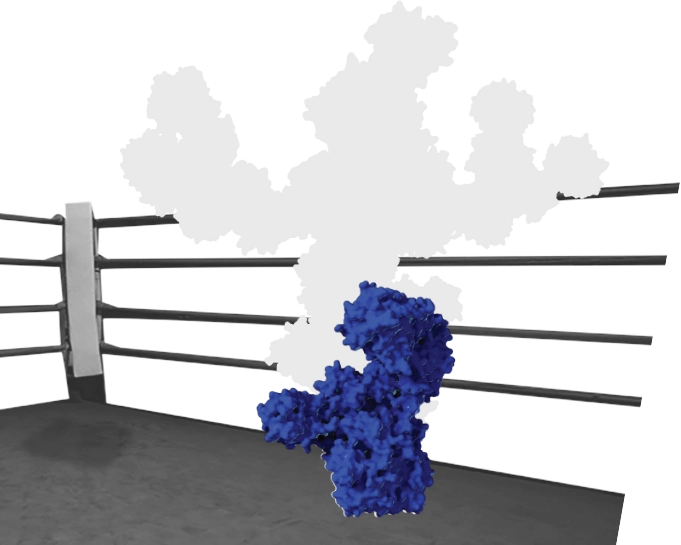
An illustration of the XEOMIN molecule without complexing proteins

XEOMIN Contains Only the Active Neurotoxin1,3,4

XEOMIN is a neurotoxin specifically designed with just the therapeutic component, making it up to 6 times lower in molecular weight than formulations with complexing proteins.1,3,4

The unique molecular profile of XEOMIN is developed using proprietary XTRACT Technology—a state-of-the-art manufacturing process that removes complexing proteins to minimize waning efficacy as a result of immunogenicity.6

An illustration of the XEOMIN molecule without complexing proteins

In retrospective studies, NAb were more likely to develop over time after treatment with a neurotoxin formulation with a higher molecular weight1,3,4

XTRACT Technology ®

Watch XTRACT Technology in Action

PATIENTS DID NOT DEVELOP NAb-RELATED CLINICAL RESISTANCE TO XEOMIN

XEOMIN Pivotal Studies

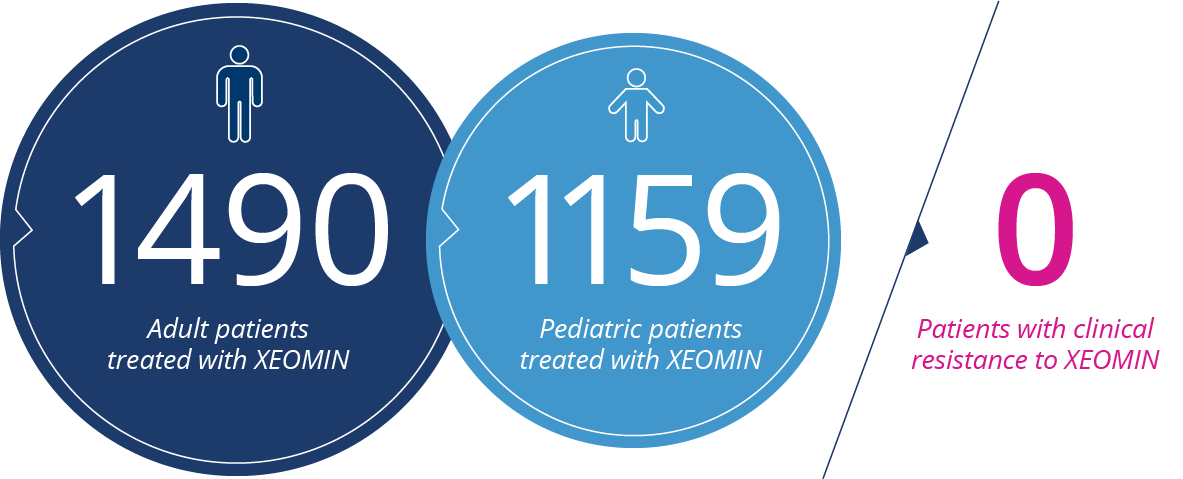
In more than 2600 patients treated with XEOMIN in pivotal clinical trials, there were no reports of waning efficacy due to NAb formation1,7

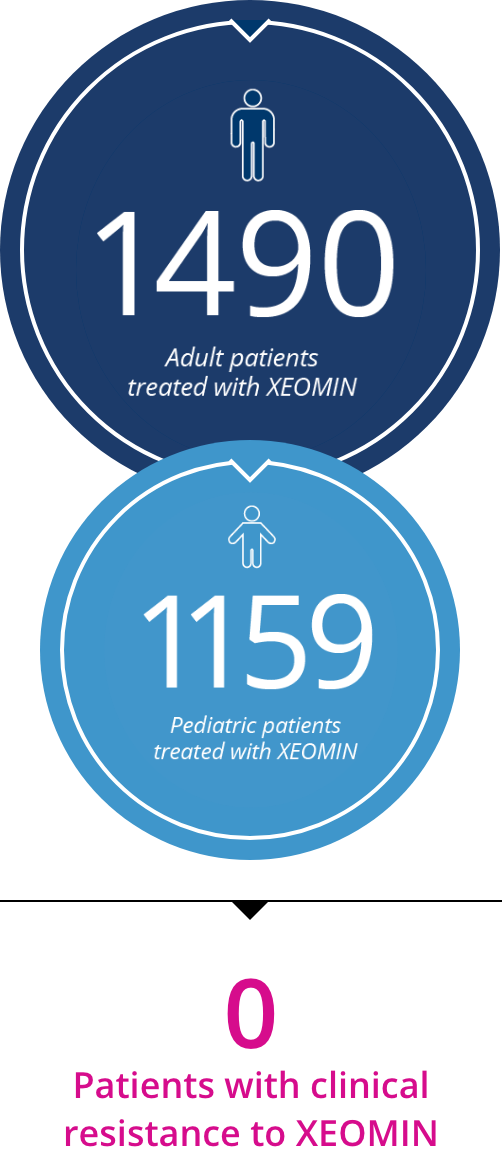
1490 adult patients were treated with XEOMIN. 1159 pediatric patients were treated with XEOMIN. 0 patients with clinical resistance to XEOMIN due to NAb

All patients who developed NAb were previously treated with Botox® and/or Dysport®, and out of the 0.6% of patients (9 adult, 4 pediatric) where NAb were present, none developed clinical resistance1

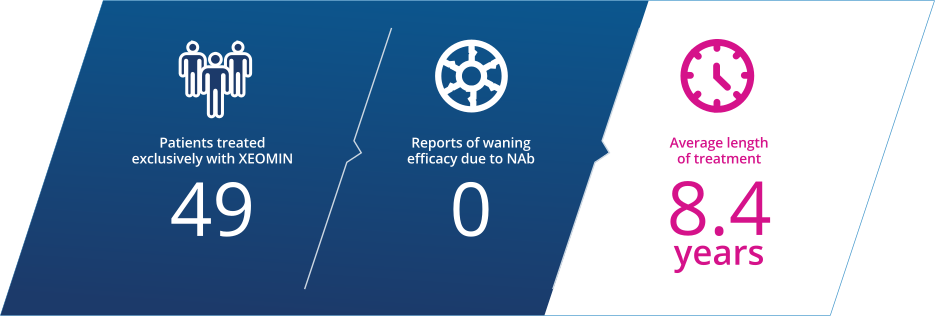
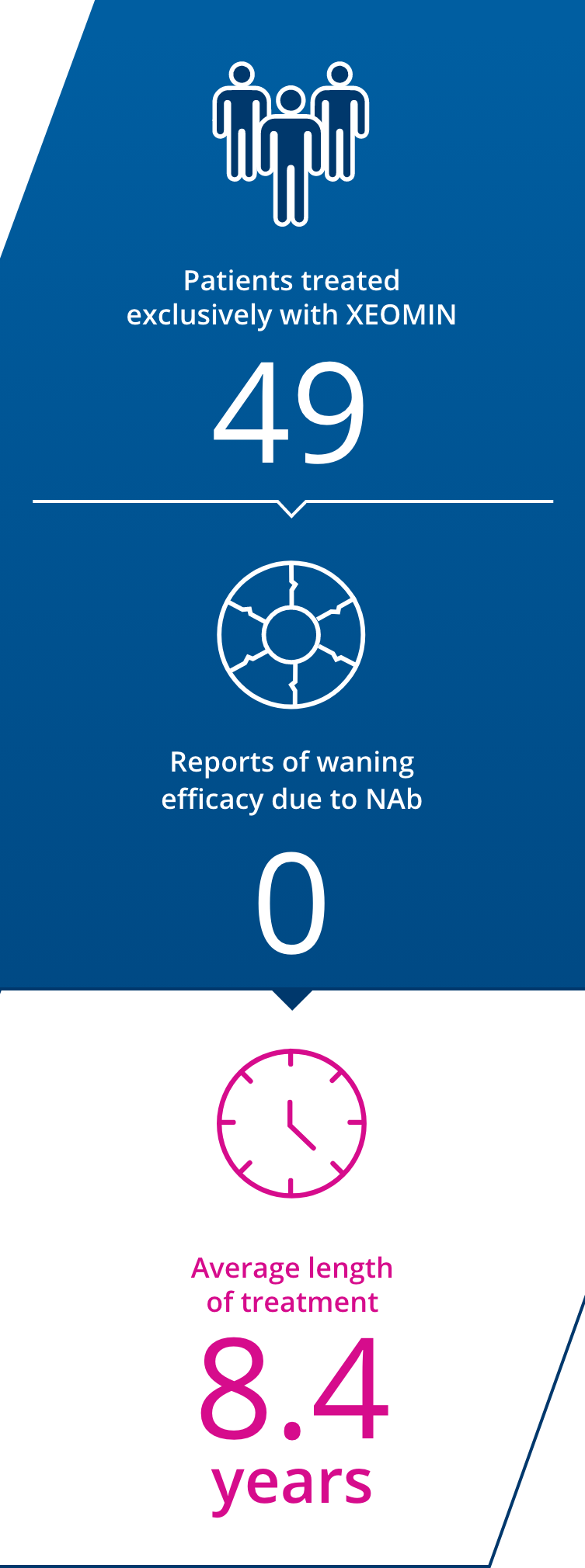
In a separate, independent, monocenter, retrospective cohort study5

49 patients treated exclusively with XEOMIN. 0 reports of waning efficacy due to Nab. Average length of treatment 8.4 years

WATCH IMMUNOLOGIST DR WARNER CARR DISCUSS THE IMPACT OF NAb ON TREATMENT RESPONSE

See the Science Behind XEOMIN: Mechanism of Action

Manufacturers use a selected strain of Clostridium botulinum, bred biologically in optimal conditions, to produce therapeutic botulinum toxin products.7

XEOMIN is a botulinum toxin type A that blocks transmission at the neuromuscular junction by inhibiting the release of ACh from peripheral cholinergic nerve endings.7

In both muscle and glands, impulse transmission is reestablished by the formation of new nerve ends.7

The direct impact of the non-therapeutic proteins on long-term safety or efficacy continues to be evaluated. Information about the unique XEOMIN manufacturing process and the properties of incobotulinumtoxinA is not intended to imply superiority over other botulinum toxin type A products.

Neutralization is possible with all neurotoxins, including XEOMIN.

The potency Units of XEOMIN are specific to the preparation and assay method utilized. They are not interchangeable with the other preparations of botulinum toxin products and, therefore, Units of biological activity of XEOMIN cannot be compared to or converted into Units of any other botulinum toxin products assessed with any other specific assay method.

NAb, neutralizing antibodies; ACh, acetylcholine.